“Ch 2 Life On Earth Notes Class 9 “ is strictly based on:
Understanding Society: India And Beyond
Social Science Textbook
Grade 9| Part 2
Geography: Scope
⁘ Geography studies:
●●● Climate
●●● Landforms
●●● Water
●●●●●●●●●●●●●⦿ To know
●●●●●●●⁍ How these shape life on Earth
●●●●●●●⁍ How humans adapt to them
●●●●●●●⁍ How humans influence natural system
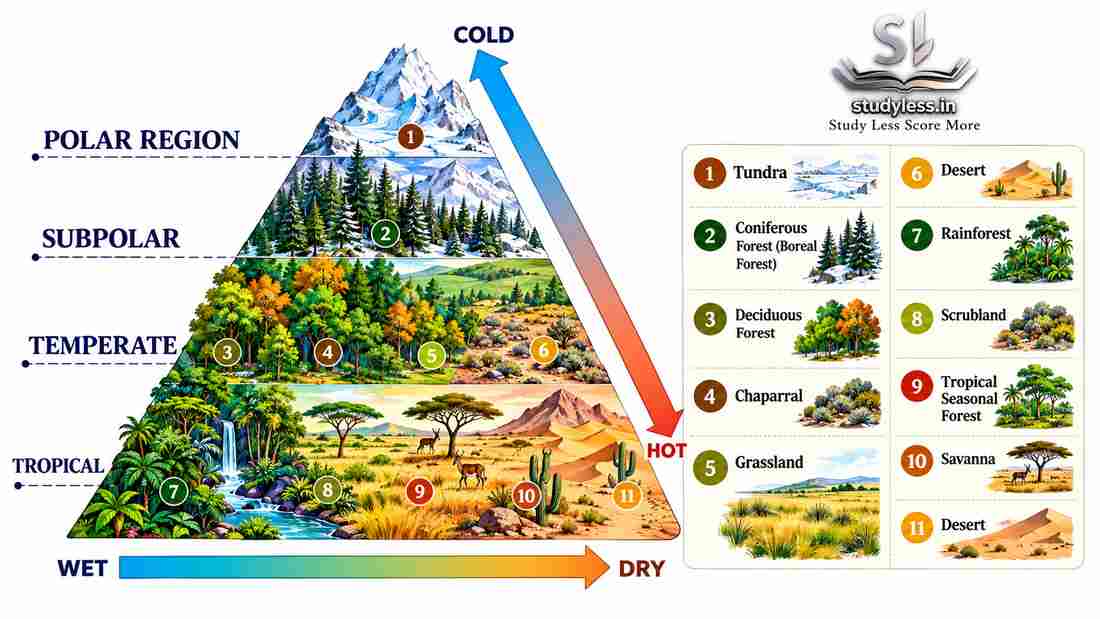
Biomes

⁘ Biome = large natural region
●● Similar climatic conditions
●● Certain types of plants and animals
●● Biomes support diverse plant and animal life
⁘ Examples Of Biome:
●● Icy tundra [Cold]
●● Hot desert [Hot]
●● Forest [Green]
●● Grassland [Open]
●●●
●●●●●✔ Each biome is unique
●●●●●✔ Together they form the living world
⁘ Ecosystem is a smaller unit inside a biome
●●● Ecosystem members:
●●●●●⇾ Plants
●●●●●⇾ Animals
●●●●●⇾ Non-living things
Types of Biomes
1. [Terrestrial] Land-based biomes
2. [Aquatic] Water-based biomes
⁘ Factors that determine which Plants and Animals survive and thrive:
●● Temperature
●● Precipitation patterns
●● Dominant plant species
●● Growth forms of vegetation
Terrestrial Biomes
●⁘ Classified by climate into four types:
●●●● Forests
●●●● Grasslands
●●●● Deserts
●●●● Tundra
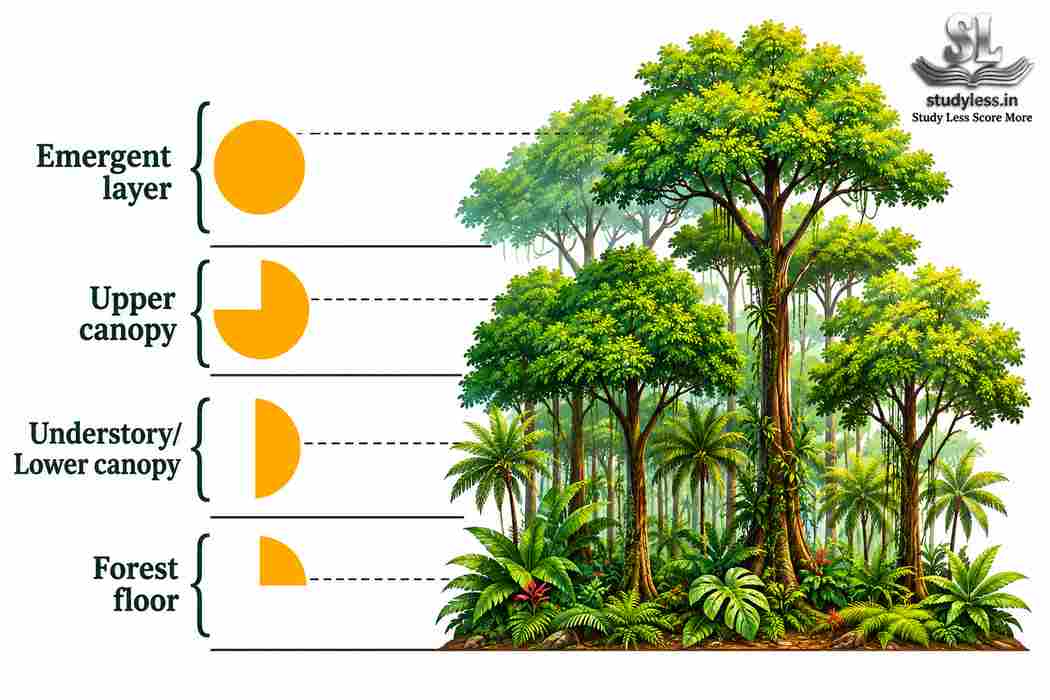
Forest Biome = Nature’s Giant Green Umbrella
●⁘ Characteristics:
●●●● Warm
●●●● Wet
●●●● Life at every level: tallest trees → damp forest floor
1. Tropical Rainforest
●● Near the Equator
●● Between Tropic of Cancer and Tropic of Capricorn
●● 23.5° N to 23.5° S
➽➽ Feature:
⁍⁍⁍⁍⁍⁍ Hot and wet all year
⁍⁍⁍⁍⁍⁍ Supports dense forests
➽➽ Significance:
⁍⁍⁍⁍⁍⁍ World’s richest storehouse of biodiversity
⁍⁍⁍⁍⁍⁍ Rich genetic resources
Major Locations of Tropical Rainforest
●⁘ Largest:
⁍⁍⁍⁍⁍⁍ Amazon Basin → South America
⁍⁍⁍⁍⁍⁍ Congo Basin → Africa
⁍⁍⁍⁍⁍⁍ Parts of Southeast Asia → Indonesia, Malaysia
●⁘ Smaller:
⁍⁍⁍⁍⁍⁍ Central America
⁍⁍⁍⁍⁍⁍ India:
⁍⁍⁍⁍⁍⁍⁍⁍⁍⁍⇾ Andaman & Nicobar Islands
⁍⁍⁍⁍⁍⁍⁍⁍⁍⁍⇾ Northeastern states
Gene Bank
●● Preserve unique genetic material
⁍⁍⁍⁍⁍ Supports conservation
⁍⁍⁍⁍⁍ Supports scientific research
⁍⁍⁍⁍⁍⁍⁍⇾ Hence called ‘gene bank’
●● Other Roles:
⁍⁍⁍⁍⁍ Maintain oxygen levels
⁍⁍⁍⁍⁍ Balance Earth’s climate
Grassland Biome
●● Found in regions with moderate rainfall
➽➽ Feature:
⁍⁍⁍⁍⁍⁍ Large open areas
⁍⁍⁍⁍⁍⁍ Mainly grass
⁍⁍⁍⁍⁍⁍ Very few trees
➽➽ Significance:
⁍⁍⁍⁍⁍⁍ Supports grazing animals
⁍⁍⁍⁍⁍⁍ Important for agriculture
⁍⁍⁍⁍⁍⁍ Important for livestock rearing
Types Of Grassland
| Temperate | Tropical (Savanna) | |
|---|---|---|
| Examples | Prairies (North America), Steppes (Asia) | Africa |
| Trees | Very few | Scattered trees |
| Key trait | Fertile soil | Large animals |
| Use / Life | Farming | Lions, elephants, giraffes |
Desert Biome
●● Driest biome
●● Very little rainfall
●● Soil: sandy
●● Vegetation: sparse
Types of desert biome
| Type | Example | Location |
| Hot | Sahara | Africa |
| Cold | Gobi | Asia |
| Salt | Rann of Kutch | Gujarat, India |
●⁘ Rann of Kutch
●●● Gujarat, India
➽➽➽ Feature:
●●●●● One of world’s largest salt deserts
●●●●● Monsoon → marshy wetland
●●●●● Dry season → vast white salt desert
➽➽➽ Significance:
⁍⁍⁍⁍⁍⁍⁍⁍ Shows one region can shift
⁍⁍⁍⁍⁍⁍⁍⁍between wetland and desert
Life in Deserts
⦿ Extreme conditions ➜ survival difficult
●●∴ Adapted life:
●●●●●● Plants → cacti
●●●●●● Animals → camels, lizards, snakes
●●⁘ Adaptations:
⁍⁍⁍⁍⁍⁍ Store water
⁍⁍⁍⁍⁍⁍ Withstand heat
⁍⁍⁍⁍⁍⁍ Withstand dryness
⁘ Home to unique ecosystems
Resources in desert
●●● Minerals
●●● Oil
Little rainfall → Sandy soil + sparse vegetation → Adapted species ➜ Unique ecosystem
Tundra Biome | frozen ground with moss and a polar bear
●● Coldest of all biomes
●● Near Arctic and Antarctic regions
➽➽➽ Feature:
●●●●●●●The Climate is :
●●●●●●● Very long, harsh winters
●●●●●●● Short summers
●● Fragile ecosystem:
⁍⁍⁍⁍⁍⁍ Small temperature change affect it.
Permafrost
●● Soil frozen year-round = Permafrost
●● Effect: trees struggle to grow
Extreme cold → Permafrost → No trees → Limited vegetation
Vegetation
Only:
⁍⁍⁍⁍⁍⁍ Mosses
⁍⁍⁍⁍⁍⁍ Lichens
⁍⁍⁍⁍⁍⁍ Small shrubs
Animals
●● Adapted to freezing temperatures
⁘ Examples:
⁍⁍⁍⁍⁍⁍ Reindeer
⁍⁍⁍⁍⁍⁍ Arctic foxes
⁍⁍⁍⁍⁍⁍ Polar bears
Aquatic Biomes
●● 3/4th of Earth’s surface
●● Two types:
⁍⁍⁍⁍⁍ Freshwater
⁍⁍⁍⁍⁍ Marine
Freshwater Biomes
Types:
●● Rivers
●● Lakes
●● Ponds
●● Wetlands
Species:
●● Fish
●● Frogs
●● Insects
Significance :
●● Agriculture
●● Drinking water
Rivers, lakes, ponds, wetlands → Water access → Agriculture + drinking water → Human survival
Marine Biomes
Types:
●● Oceans
●● Seas
●● Coral reefs
●● Rich in biodiversity
Species :
●● Whales
●● Dolphins
●● Fish
●● Plankton
Significance :
Influence Earth’s climate
●● Store heat
●● Distribute heat
●● Provide food and livelihood for millions
Oceans store heat → Distribute heat → Climate regulated → Life supported
Biome Pyramid
⦿ Graphical representation
●● Shows relationship between organisms in a biome
⁍⁍⁍⁍ Measured in terms of:
⁍⁍⁍⁍⁍⁍⇾ Energy
⁍⁍⁍⁍⁍⁍⇾ Number
⁍⁍⁍⁍⁍⁍⇾ Biomass
Levels of biome pyramid {Base → Top}
⁘ [Level 1] Producers
●●● Examples: plants, algae
●●● Capture solar energy through photosynthesis
●●● Form the base
⁘ [Level 2] Herbivores
●●● Primary consumers
⁘ [Level 3] Carnivores
●●● Secondary consumers
⁘ [Level 4] Top predators
●●● Tertiary consumers
Trend Upward
⦿ Moving up the pyramid, these decrease
●●● Number of organisms
●●● Biomass
●●● Available energy
⁍⁍⁍⁍⁍ Reason:
●●●●⇾ Energy lost at each trophic level
●●●●●⇾ Lost as heat through metabolic processes
Uses of biome pyramid
To Understand:
●●● Structure of ecosystems
●●● Flow of energy
●●● Balance between living organisms
Interconnectedness between Biomes
and Living Beings
Two-Way Link:
1️⃣ Biomes ➜ natural environment for
●● Plants
●● Animals
●● Humans
2️⃣ Living beings ➜ influence biomes
●● Animals → pollination, seed dispersal
●● Humans → modify landscapes for farming or cities
●● Microorganisms → recycle nutrients
Biome → Shelters life → Life shapes biome → Ecological balance + Biodiversity
Maintaining Ecological Balance and Biodiversity
Biodiversity:
⦿ Biodiversity = variety of life on Earth OR richness of life forms + natural beauty
●●● Plants
●●● Animals
●●● Microorganisms
●●● Ecosystems they inhabit
⁘ Biodiversity also Includes :
●●● Genetic differences within species
●●● Variety of habitats
●●● Ecological processes that sustain life
⁘ Essential for:
●●● Healthy ecosystems
●●● Human survival
Geography of Biodiversity Conservation
Focus:
How geography influence protection and management of organisms
●●● Location
●●● Climate
●●● Landforms
●●● Ecosystems
Biodiversity is unevenly distributed
∴ Need geography for conservation
Ways of geographical conservations:
1. Hotspots of Biodiversity
Regions:
●●● Himalaya
●●● Western Ghats
●●● North-East India
●●● Andaman & Nicobar Islands
Identifying and protecting the above is conservation priority
➽➽➽ Feature:
⁍⁍⁍⁍⁍⁍⁍ Unique species
2. Ecosystem-Based Conservation
⦿ Ecosystem types:
●●● Forests
●●● Wetlands
●●● Deserts
●●● Coasts
●●● Mountains
⁘ Each supports distinct life forms
⁘ Examples
⁍⁍⁍⁍⁍⁍⁍ Mangrove protection → coasts
⁍⁍⁍⁍⁍⁍⁍ Afforestation → mountains
3. Protected Areas
⦿ Types:
●●● National parks
●●● Wildlife sanctuaries
●●● Biosphere reserves
●●● World Heritage Sites
⁍⁍⁍⁍⁍⁍⁍ Preserve critical habitats
⁍⁍⁍⁍⁍⁍⁍ Prevent habitat fragmentation
4. Geographical Barriers and Corridor
⦿ Natural features:
●●● Rivers
●●● Mountains
●●● Valleys
⁍⁍⁍⁍⁍⁍⁍ They act as barriers or corridors
●●●●●●⇾Influence animal movement
●●●●●●⇾Influence gene flow
➽➽➽ Significance:
⁍⁍⁍⁍⁍⁍⁍ Planning wildlife corridors
5. Human–Environment Interaction
How local communities use:
●●● Land
●●● Water
●●● Forests
⁘ Examples:
⁍⁍⁍⁍⁍⁍⁍ Terrace farming → hills
⁍⁍⁍⁍⁍⁍⁍ Agroforestry → plains
Uneven biodiversity → Geography-based strategy → Hotspots + Protected areas + Corridors → Species survive
Forest Ecotourism
●●● Responsible travel to forested areas
⁍⁍⁍⁍⁍⁍⁍⁍ Tourists:
●●●●●●●⇾ Enjoy nature
●●●●●●●⇾ Contribute to conservation
Attractions
●●● Plants
●●● Animals
●●● Rivers
●●● Waterfalls
⁍⁍⁍⁍⁍⁍⁍⁍ Draw people seeking
●●●●●●●⇾ Natural beauty
●●●●●●●⇾ Wildlife
Ecotourism vs Mass Tourism
●● Ecotourism emphasizes
⁍⁍⁍⁍⁍ Minimal environmental impact
⁍⁍⁍⁍⁍ Respect for local communities
⁍⁍⁍⁍⁍ Learning about ecosystems
Examples
●● Visiting
⁍⁍⁍⁍⁍ National parks
⁍⁍⁍⁍⁍ Wildlife sanctuaries
●● Trekking through rainforests
●● Benefits:
⁍⁍⁍⁍⁍ Observe biodiversity
⁍⁍⁍⁍⁍ Support conservation programmes
⁍⁍⁍⁍⁍ Generate income for local people
Forests and Livelihoods
Who Depends on Forests
●● Rural communities
●● Tribal communities
●● Reliance: heavy
Essential Resources
▸Food
▸Fuel
▸Fodder
▸Medicine
▸Shelter
▸Timber
▸Bamboo
▸Firewood
Non-Timber Forest Products
▸Honey Fruits
▸Nuts Resins
▸Medicinal plants
Uses:
▸Meet daily needs
▸Earn income
Gonds and Bhils
●● Forest communities
⁍⁍⁍⁍⁍ Gonds
⁍⁍⁍⁍⁍ Bhils
●●●●●●●⇾ Perform rituals to honour forest deities
●●●●●●●⇾ Before collecting resources
⦿ This Reflects:
⁍⁍⁍⁍⁍ Sustainable cultural practices
⁍⁍⁍⁍⁍ Deep respect for nature
Other Forest Support
●● Livestock grazing
●● Small forest-based industries
●● Ecotourism
●● Employment
Forest resources → Daily needs + Income → Livelihood → Culture and survival
Forest Dwellers
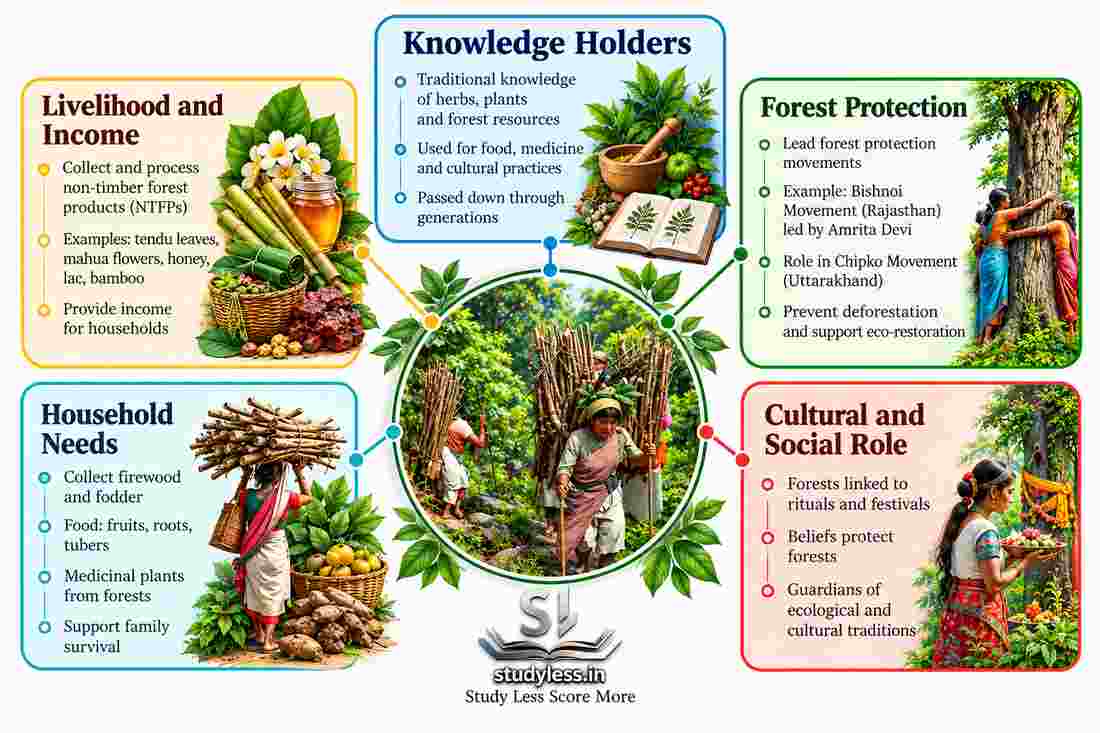
Connection to Forests
●● Rely on forests for:
⁍⁍⁍⁍⁍ Household needs
⁍⁍⁍⁍⁍ Cultural practices
⁍⁍⁍⁍⁍ Livelihood activities
●● Roles + Responsibilities
⁍⁍⁍⁍⁍ Caring for and Using forest resources
Role of Women
●● Collecting + Managing forest resources
⁍⁍⁍⁍⁍ For household needs
➽➽➽ Significance:
⦿ Women:
⁍⁍⁍⁍⁍ Sustain traditional knowledge and practices
⁍⁍⁍⁍⁍ Contribute to livelihoods
Geographical Indication (GI)
●● GI tag = intellectual property right
●● Identifies from a specific place
⁍⁍⁍⁍⁍ Quality, reputation,etc
⁍⁍⁍⁍⁍ Uniqueness of that place
Benefits of GI Tag
●● Protects region-specific products
●● Promotes cultural heritage
●● Generates economic benefits
⁍⁍⁍⁍⁍ By exclusive market recognition
GI-tagged Forest Products in India
| State | Product |
| Jammu and Kashmir | ● Ramban Sulai Honey ⁍ Distinct flavour, aroma, taste ⁍ Antioxidant ⁍ Immuno-modulatory |
| Assam | ● Tezpur Litchi ⁍ Bright colour ⁍ High pulp content |
| Karnataka | ● Channapatna Toys ⁍ Made from Wrightia tinctoria(Tree) ⁍ Local name ‘Aale mara’ |
| Odisha | ● Kandhamal Haldi ⁍ High curcumin = medicine |
| Tamil Nadu | ● Erode Manjal ⁍ Cooking + Medicine |
| Tamil Nadu, Kerala, Karnataka | ● Nilgiri Tea |
| Tripura | ● Tripura Queen Pineapple ⁍ Sweetness + Aroma |
| Meghalaya | ● Khasi Mandarin |
Challenges Faced by People Living in Forests
1. Access and Health
●● Healthcare
●● Education
●● Clean water
●● Women affected by:
⁍⁍⁍⁍⁍ Fuelwood fumes
⁍⁍⁍⁍⁍ Health issues
2. Resource Access and Conflict
●● Heavy dependence on forest produce
⁍⁍⁍⁍⁍ Firewood, Honey, etc.
●● Access limited by:
⁍⁍⁍⁍⁍ Restrictions on forest use
⁍⁍⁍⁍⁍ Deforestation
⁍⁍⁍⁍⁍ Commercial exploitation of forest resources
●● Result: conflict between conservation laws and survival needs
●●●●●●●⇾ Leads to economic insecurity
3. Natural Hazards
●● Forested hilly regions prone to
⁍⁍⁍⁍⁍ Floods
⁍⁍⁍⁍⁍ Landslides
⁍⁍⁍⁍⁍ Forest fires
●●●●●●●⇾ Human care and preventive measures can stop many fires
4. Human- Wildlife Conflict
● Animals:
⁍⁍⁍ Damage crop damage by
⁍⁍⁍ Direct attacks on people
● Effects
⁍⁍⁍ Economic losses
⁍⁍⁍ Fear and insecurity
5. Neglect and Low Income
● Face discrimination and neglect
● Sell forest products at low prices
● Need: processing and marketing opportunities
⁍⁍⁍ To raise income
6. What Communities Need
● Help accessing government schemes and programmes
● Awarenes : legal rights
Government Efforts to Support Forest Dwellers
1. Forest Rights Act (FRA)
● Scheduled Tribes and Other Traditional Forest Dwellers (Recognition of Forest Rights) Act, 2006
● Also called FRA
➽➽ Features:
● Recognizes rights over :
⁍⁍⁍ Forest land
⁍⁍⁍ Forest resources
⁍⁍⁍ Minor forest produce:
●●●●●●●⇾ Bamboo
●●●●●●●⇾ Honey
●●●●●●●⇾ Medicinal plants
● Ownership of land they cultivate
2. Tribal Welfare Schemes
● Types:
⁍⁍⁍ Education scholarships
⁍⁍⁍ Healthcare programmes
⁍⁍⁍ Skill development initiatives
3. Joint Forest Management (JFM)
● Communities:
⁍⁍⁍ Participate in protecting forests
⁍⁍⁍ Benefit from forest produce
●●●●●●●⇾ Links forest protection with community benefit
4. Other Initiatives
● To promote welfare of such communities:
● PESA
● DAJGUA
● PM JANMAN
| Acronym | Full name |
|---|---|
| PESA | Panchayats (Extension to Scheduled Areas) Act |
| DAJGUA | Dharti Aaba Janjatiya Gram Utkarsh Abhiyan |
| PM JANMAN | Pradhan Mantri Janjatiya Adivasi Nyaya Maha Abhiyan |
FAQs : Ch 2 Life On Earth Notes Class 9
Is “Ch 2 Life On Earth Notes Class 9” is sufficient for full preparation?
Yes, but these notes are not the replacement for your ncert textbook. Read the textbook and then revise the main points and concepts from the notes.
How many times shall I revise the notes?
After reading and understanding the chapter from the textbook, read these notes as many times as possible with spaced repetition.
Should I make notes from it ?
Yes you can, but why to do the copy paste when you can read it from here.